

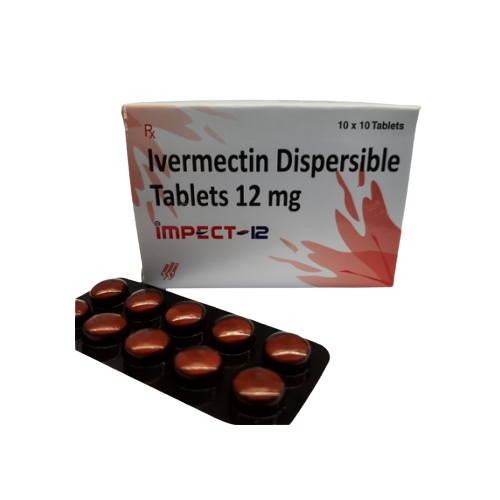
Ivermectin 12 mg Tablets Description
Ivermectin 12 mg is an antiparasitic medicine used to treat a variety of parasitic infections. It is commonly prescribed for intestinal worm infections and certain parasitic infections affecting the skin and eyes. The medicine works by killing susceptible parasites, helping to clear the infection and improve associated symptoms.
Uses of Ivermectin 12 mg
Strongyloidiasis:
Ivermectin is used to treat intestinal infection caused by the roundworm Strongyloides stercoralis.
Scabies:
It is used in the treatment of scabies caused by the mite Sarcoptes scabiei, helping to relieve itching and skin irritation.
Onchocerciasis:
Ivermectin is also indicated for the treatment of onchocerciasis (river blindness), a parasitic infection caused by Onchocerca volvulus and transmitted through the bite of infected blackflies.
How Ivermectin 12 mg Works
Ivermectin works by binding to specific nerve and muscle cells of susceptible parasites, leading to their paralysis and death. This helps eliminate the parasites from the body and allows the infection to resolve. Use the medicine exactly as prescribed by your doctor to achieve the best results.
Dosage
The dose of Ivermectin depends on the type of infection, body weight, age, and overall medical condition.
- Strongyloidiasis: The recommended adult dose is 200 mcg/kg body weight as a single dose. The dosage for children is determined by body weight and should be prescribed by a doctor.
- Onchocerciasis: The recommended dose for adults and children is 150 mcg/kg body weight as a single dose.
Older adults or patients with liver impairment may require additional monitoring or dose adjustment. Always follow your doctor’s instructions and do not self-medicate.
Missed Dose
If you miss a dose, take it as soon as you remember. If it is almost time for your next scheduled dose, skip the missed dose and continue with your regular dosing schedule. Do not take two doses together to make up for a missed dose.
Overdose
An overdose of Ivermectin may require immediate medical attention. Symptoms may include difficulty breathing, seizures, numbness, or loss of coordination. Contact your doctor or seek emergency medical care if an overdose is suspected.
Warnings and Precautions
- Inform your doctor if you are pregnant, planning to become pregnant, or breastfeeding before taking this medicine.
- Ivermectin is generally not recommended for children weighing less than 15 kg (33 pounds) unless advised by a healthcare professional.
- Patients with asthma, liver disease, seizure disorders, or HIV infection should inform their doctor before starting treatment, as additional monitoring may be required.
- Discontinue the medicine and seek immediate medical attention if you develop signs of an allergic reaction, such as rash, swelling of the face, lips, tongue, or throat, or difficulty breathing.
Possible Side Effects
Like all medicines, Ivermectin may cause side effects, although not everyone experiences them.
Common side effects include:
- Skin rash
- Headache
- Dizziness
- Fever
- Abdominal pain
- Diarrhea
- Nausea
- Vomiting
- Loss of appetite
- Increased heart rate
- Swelling of the hands, arms, or feet
- Tiredness
- Itching
Serious side effects may include:
- Seizures
- Confusion
- Coma
- Dark urine
- Yellowing of the skin or eyes
- Severe skin reactions, including peeling skin
- Eye problems such as redness, pain, or vision changes
Seek medical attention immediately if you experience any serious side effects.
How to Use Ivermectin 12 mg
Take Ivermectin 12 mg exactly as prescribed by your doctor. It is usually taken on an empty stomach with a full glass of water. Follow the prescribed dosage and complete the treatment as directed. Store the medicine in a cool, dry place away from moisture and keep it out of the reach of children.