

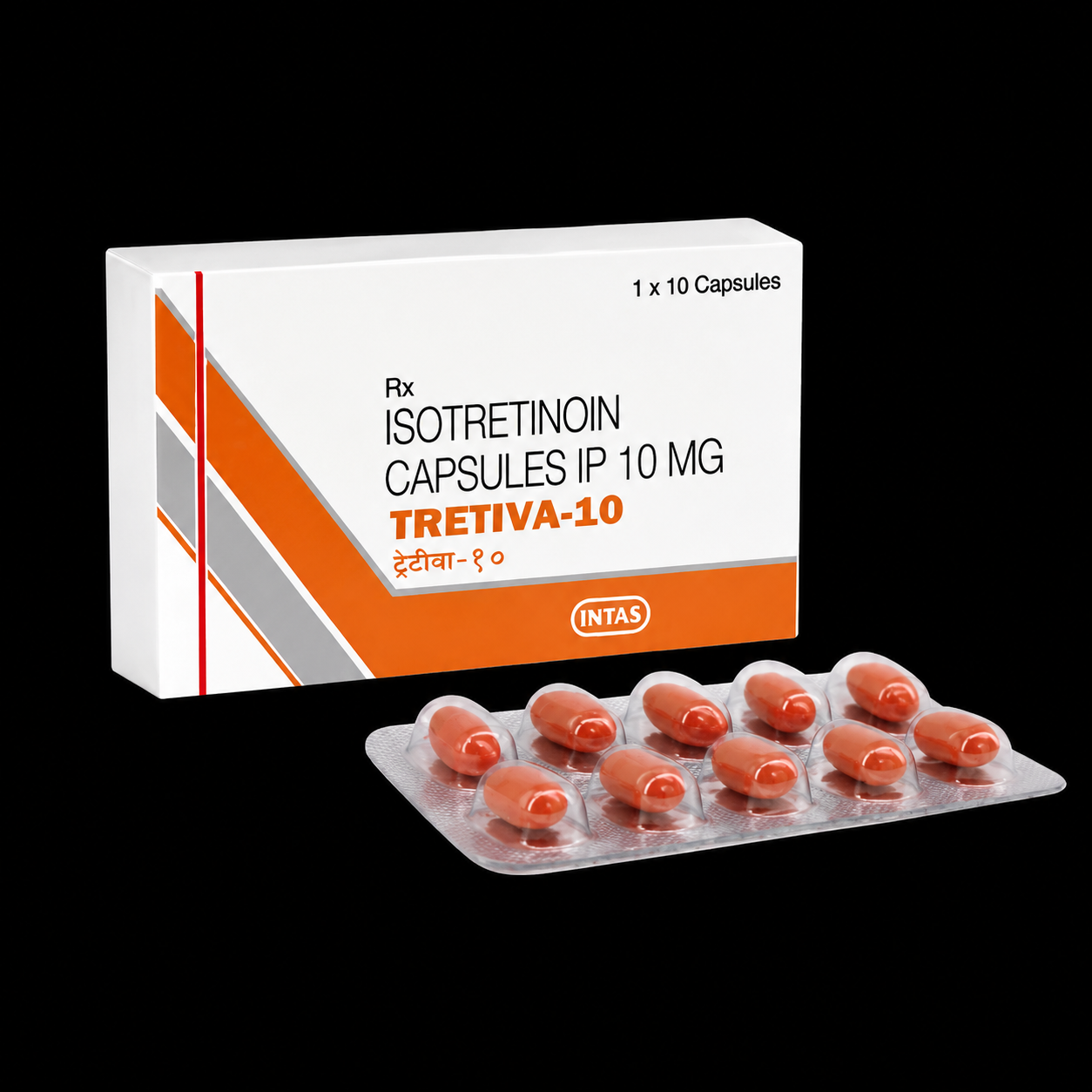
Isotretinoin Capsule
Isotretinoin belongs to a class of medicines known as retinoids, a synthetic form of vitamin A. It is primarily used to treat severe nodular acne that does not respond to other treatments, including antibiotics. Nodular acne is a severe form of acne characterized by large, painful, inflamed lumps beneath the skin caused by excessive oil production.
Isotretinoin works by reducing the size and activity of the sebaceous (oil) glands, thereby decreasing the production of sebum (the skin’s natural oil). This helps unclog pores, reduce acne-causing bacteria, and decrease inflammation, resulting in clearer skin.
Take Isotretinoin exactly as prescribed by your doctor. The dosage and duration of treatment depend on your medical condition and response to therapy. It is usually taken with food to improve absorption. Swallow the capsule whole with a glass of water. Do not crush, chew, or break the capsule.
Uses of Isotretinoin
- Treatment of severe nodular acne
- Acne resistant to conventional treatments, including antibiotics
Benefits of Isotretinoin
Isotretinoin effectively treats severe acne by reducing excess oil production, preventing clogged pores, and eliminating acne-causing bacteria. It also helps reduce skin inflammation, preventing the formation of new acne lesions and minimizing the risk of permanent acne scars.
How Isotretinoin Works
Isotretinoin is a vitamin A derivative that decreases the activity and size of sebaceous glands, reducing sebum production. By lowering excess oil and inflammation, it unclogs pores, inhibits the growth of acne-causing bacteria, and promotes healthier skin.
Possible Side Effects
Most side effects are mild and improve as your body adjusts to the medicine. Consult your doctor if they persist or become severe.
Common side effects include:
- Chapped lips
- Dry skin
- Dry eyes
- Dry nose
- Dry lips
Safety Information
Pregnancy
Do not use Isotretinoin during pregnancy. It can cause severe birth defects and pregnancy loss. Women of childbearing age should use effective contraception before, during, and after treatment as advised by their doctor.
Breastfeeding
Isotretinoin may pass into breast milk and could harm the nursing infant. It is not recommended while breastfeeding.
Alcohol
Avoid alcohol while taking Isotretinoin, as it may increase the risk of liver damage and elevated cholesterol levels.
Driving
Isotretinoin may reduce night vision in some individuals. Avoid driving or operating machinery if you experience vision changes.
Liver and Kidney Disease
Patients with liver disease should use Isotretinoin only under medical supervision. Inform your doctor if you have liver or kidney problems before starting treatment.
Precautions
- Inform your doctor if you are allergic to Isotretinoin or any other medicines.
- Tell your doctor if you have a history of depression, mood disorders, or suicidal thoughts.
- Avoid excessive sun exposure, as Isotretinoin increases skin sensitivity to sunlight. Wear protective clothing and use a broad-spectrum sunscreen when outdoors.
- Do not share this medicine with anyone else, even if they have similar symptoms.
Diet and Lifestyle Advice
- Take the medicine with food for better absorption.
- Exercise regularly to improve overall well-being and self-confidence.
- Shower after exercising, as sweat may irritate acne-prone skin.
- Wash your hair regularly and keep it away from your face.
- Remove all makeup before going to bed.
- Use gentle, fragrance-free moisturizers and lip balm to help relieve dryness during treatment.
Storage
Store the capsules in a cool, dry place away from direct sunlight and moisture. Keep out of reach of children.