

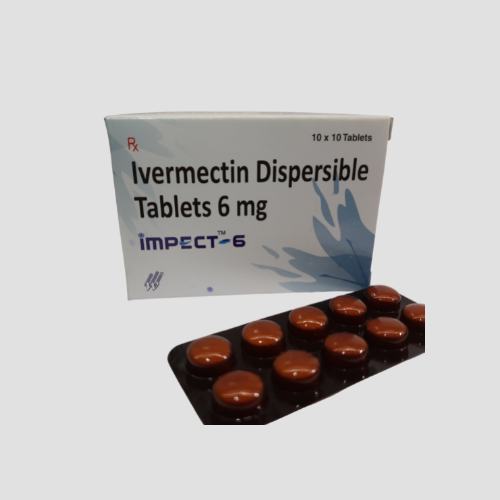
Ivermectin 6mg Tablet Description
Ivermectin 6mg Tablet is an antiparasitic medicine used to treat a variety of parasitic infections, including intestinal parasite infections. It is commonly prescribed for the treatment of Strongyloidiasis, Onchocerciasis (river blindness), and Scabies. Ivermectin is available in oral tablet, topical cream, and lotion formulations depending on the condition being treated.
The medicine works by killing parasites and preventing their survival, helping to clear the infection. Improvement in your symptoms is usually a sign that the treatment is working. To achieve the best results, take the medicine exactly as prescribed by your doctor.
Uses of Ivermectin 6mg Tablet
- Treatment of intestinal parasitic infections
- Treatment of Strongyloidiasis
- Treatment of Onchocerciasis (river blindness)
- Treatment of Scabies
Dosage
The appropriate dose depends on your age, body weight, medical condition, and the type of parasitic infection being treated.
For Strongyloidiasis:
- Adults (18–64 years): 200 mcg/kg body weight as a single dose.
- Children: The dosage is determined according to body weight under medical supervision.
For Onchocerciasis (eye or skin parasite infection):
- Adults and children: 150 mcg/kg body weight as a single dose.
Older adults may require closer monitoring, as reduced liver function can affect how the medicine is processed. Never take more than the prescribed dose, and do not take extra tablets to make up for a missed dose.
How to Take Ivermectin 6mg Tablet
Take the tablet orally with a glass of water, exactly as directed by your doctor. Store the medicine in a cool, dry place away from moisture. Complete the full course of treatment even if your symptoms improve before finishing the prescribed dosage.
Side Effects of Ivermectin 6mg Tablet
Like all medicines, Ivermectin may cause side effects, although not everyone experiences them.
Common side effects include:
- Fever
- Headache
- Dizziness
- Nausea
- Vomiting
- Diarrhea
- Abdominal pain
- Loss of appetite
- Itching
- Skin rash
- Constipation
- Tiredness
- Muscle pain
- Low blood pressure
- Weakness
- Vertigo
Less common or serious side effects may include:
- Irregular heartbeat
- Swelling of the face, arms, or feet
- Eye problems or vision changes
- Enlarged lymph nodes
- Hepatitis
- Dark urine
- Yellowing of the skin or eyes
- Seizures
- Tremors
- Confusion
- Chest pain
- Peeling skin
- Coma
Seek immediate medical attention if you experience severe allergic reactions or any serious symptoms.
Warnings and Precautions
- Pregnancy: Use only if prescribed by your doctor after evaluating the potential benefits and risks.
- Breastfeeding: Consult your doctor before taking this medicine, as it may pass into breast milk.
- Children: Not recommended for children weighing less than 15 kg (33 pounds) unless advised by a healthcare professional.
- Liver disease: Patients with liver problems should inform their doctor before starting treatment.
- Seizure disorders: Use with caution in patients with a history of seizures.
- Asthma: Discuss with your doctor if you have asthma before taking this medicine.
- HIV infection: Some patients with HIV may require repeated doses for complete treatment of parasitic infections.
- Alcohol: Avoid alcohol while taking Ivermectin, as it may increase the risk of side effects such as dizziness, headache, nausea, and skin reactions.
- Allergy: Do not take Ivermectin if you are allergic to it. Inform your doctor immediately if you develop signs of an allergic reaction.
Always follow the dosage and treatment plan prescribed by your healthcare provider. The exact dose will depend on your body weight, medical condition, and the type of infection being treated.