

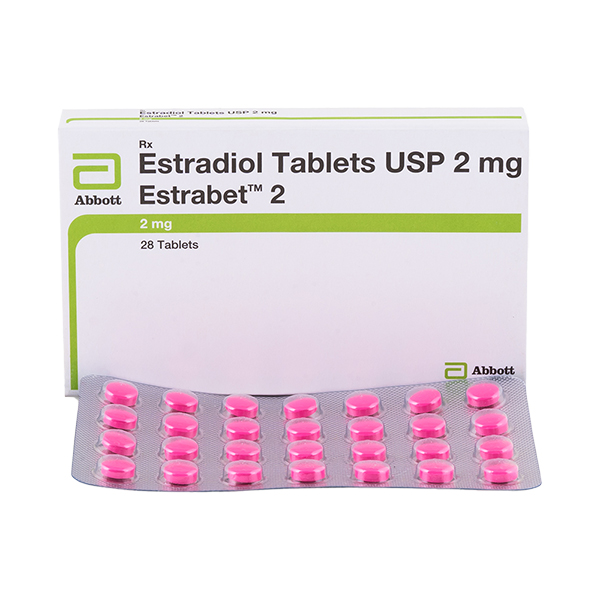
Estradiol 2 mg (Estrabet) Tablets
Description
Estrabet 2 mg Tablet contains Estradiol, a form of estrogen (female sex hormone) used as Hormone Replacement Therapy (HRT). It is prescribed to relieve symptoms associated with menopause, including hot flushes, night sweats, vaginal dryness, itching, burning, and estrogen deficiency. It is also used to help prevent postmenopausal osteoporosis in women at increased risk of bone loss.
In certain clinical situations, Estrabet 2 mg Tablet may also be prescribed as part of the treatment for breast cancer or prostate cancer in combination with other anticancer medicines, as determined by a healthcare professional.
The tablet should be swallowed whole with water and may be taken with or without food. For the best therapeutic effect, take it at the same time each day. The dosage and duration of treatment are determined by your doctor based on your medical condition and response to therapy.
If you miss a dose, take it as soon as you remember unless it is nearly time for your next scheduled dose. Do not take a double dose to make up for a missed one. Do not stop taking the medicine without consulting your doctor, as sudden discontinuation may reduce its effectiveness.
Uses of Estrabet Tablet
- Hormone Replacement Therapy (HRT)
- Treatment of estrogen deficiency
- Relief of menopausal symptoms
- Prevention of postmenopausal osteoporosis
- Adjunctive treatment of certain cases of breast cancer and prostate cancer, as prescribed by a healthcare professional
Benefits of Estrabet Tablet
In Hormone Replacement Therapy (HRT)
Hormone Replacement Therapy helps relieve symptoms associated with menopause, including hot flushes, night sweats, mood changes, vaginal dryness, vaginal itching, burning, and reduced sexual desire. Since menopausal symptoms may persist for several years, HRT can significantly improve daily comfort, quality of life, and overall well-being.
Estradiol replaces the estrogen that the body naturally produces before menopause, helping restore hormonal balance and reduce symptoms caused by estrogen deficiency. Use this medicine exactly as prescribed and continue treatment for the duration recommended by your doctor.
Side Effects of Estrabet Tablet
Most side effects are mild and usually improve as your body adjusts to the medication. Consult your doctor if they persist or become troublesome.
Common side effects include:
- Headache
- Nausea
- Breast pain or tenderness
- Abdominal cramps
- Bloating
- Vaginal spotting or irregular vaginal bleeding
- Vomiting
Seek immediate medical attention if you experience:
- Breast lumps
- Unusual or heavy vaginal bleeding
- Severe headache
- Chest pain
- Shortness of breath
- Pain, swelling, or tenderness in the legs
- Dizziness or fainting
Precautions
Before taking Estrabet Tablet, inform your doctor if you:
- Have a history of unexplained vaginal bleeding
- Have previously experienced blood clots in the legs or lungs
- Have liver disease, heart disease, or other significant medical conditions
- Are taking any prescription medicines, over-the-counter medications, or herbal supplements
If you are pregnant, planning to become pregnant, or breastfeeding, consult your doctor before using this medicine.
During treatment, your healthcare provider may recommend regular laboratory investigations and diagnostic tests to monitor the effectiveness and safety of therapy.
How to Use Estrabet Tablet
Take Estrabet Tablet exactly as prescribed by your doctor. Swallow the tablet whole with water. Do not chew, crush, or break the tablet. It may be taken with or without food, although taking it at the same time each day is recommended for consistent therapeutic benefit.
How Estrabet Tablet Works
Estrabet Tablet contains Estradiol, a synthetic form of the natural female hormone estrogen. It works by replacing the estrogen that the body produces in lower amounts during or after menopause. Restoring estrogen levels helps relieve menopausal symptoms such as hot flushes, vaginal dryness, burning, itching, and discomfort, while also helping maintain bone health and reducing the risk of osteoporosis in postmenopausal women.